Iceland - From nature into the city,
with architecture in between.
Written by
The NUDIENT team
Published
31 August, 2026
As soon as we landed, we left the airport behind and headed inland. The journey began in Iceland’s nature, moving through wide open landscapes, black sand, mountains and quiet roads where the scenery does most of the talking.
From there, we made our way towards Reykjavik, stopping at a few architectural landmarks along the way — places that feel closely connected to the landscape. In Reykjavik, the pace shifted from nature to design, food, music, and city life. What follows is that journey, from nature into the city, with architecture along the way.
Þingvallavatn (Lake)
Sólheimajökull (Glacier)
Nature
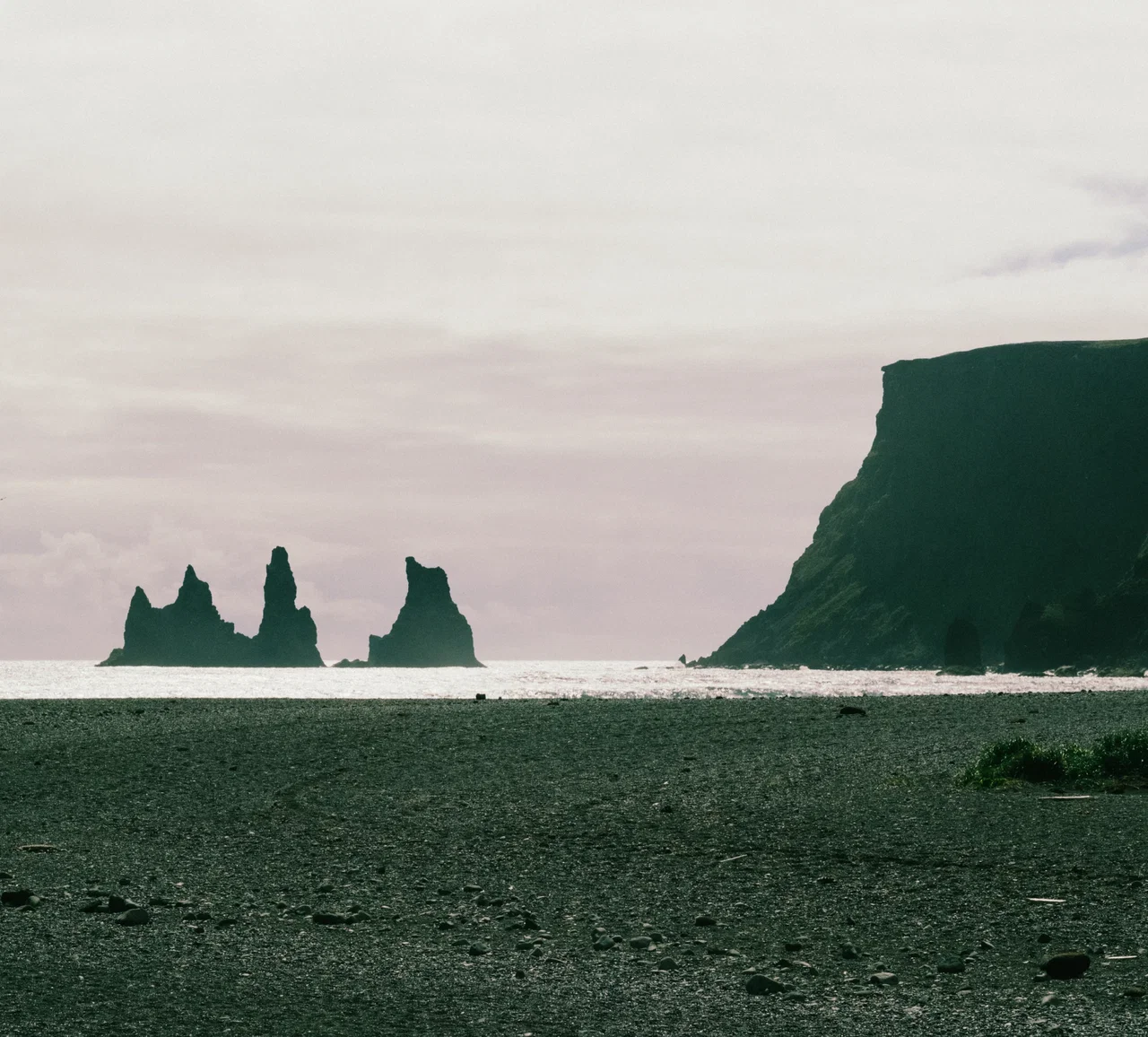
Viðsandur (Beach)
This is where we started, easing into the journey with a quiet stretch of coast before heading inland. A simple first stop, with the landscape already setting the tone.
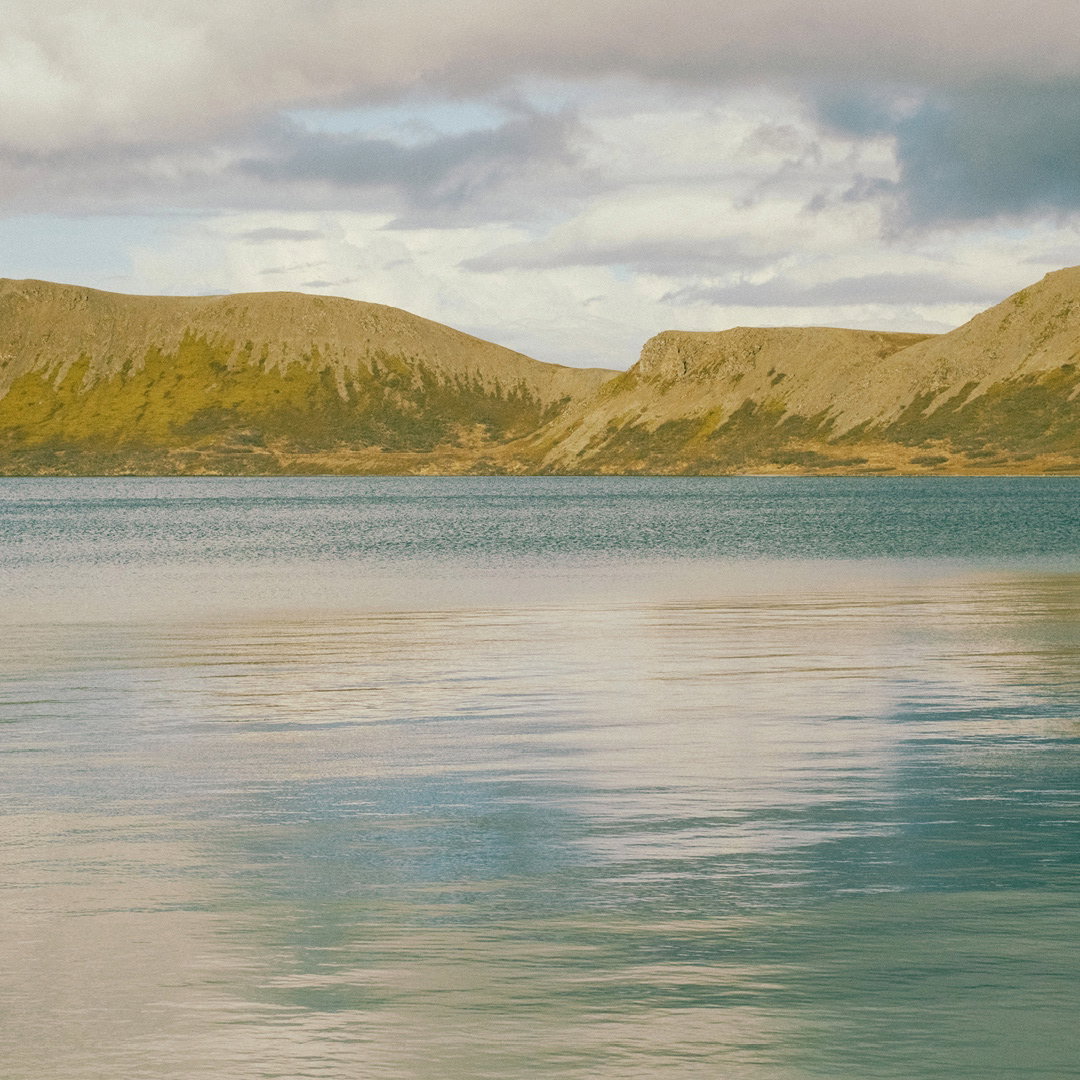
Þingvallavatn (Lake)
Our next stop was Þingvallavatn, Iceland’s largest natural lake, surrounded by open lava fields and mountains. The landscape sets the tone for the journey.
Road 1 (Going East)
The next day, we headed east on Route 1, passing roadside lupines, ocean views, and glimpses of the Westman Islands. And plenty of sturdy cars — sedans seem rare here.
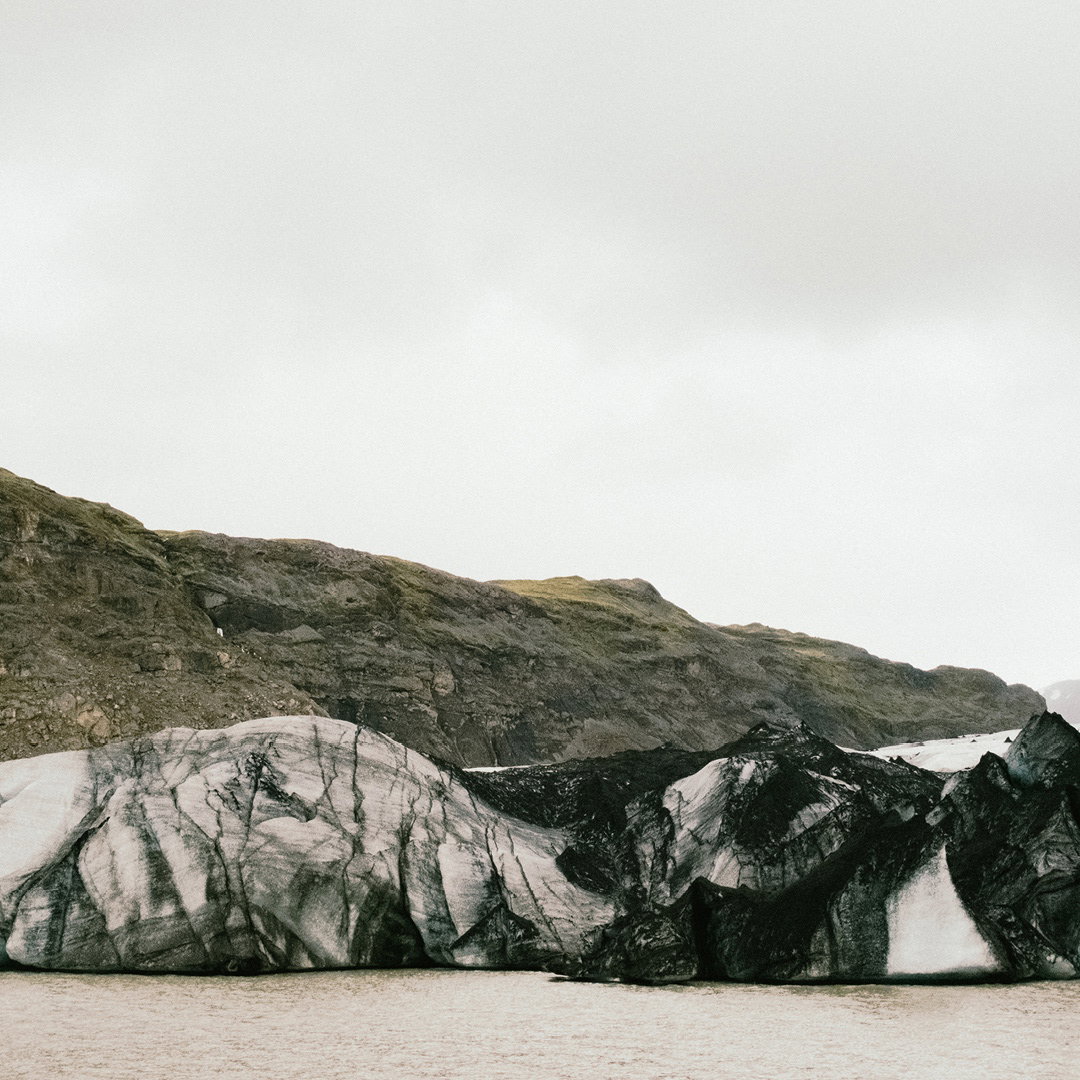
Sólheimajökull (Glacier)
We continued to Sólheimajökull, a glacier shaped by volcanic forces and centuries of ice. The vastness of the landscape is hard to put into words.
Reynisfjara (Beach)
Kerið (Crater)
Víkurfjara (Beach)
Just outside Vík, Víkurfjara is a quieter alternative to the famous Reynisfjara. The same dramatic black coastline, but with fewer people and more space to enjoy it.
Reynisfjara (Beach)
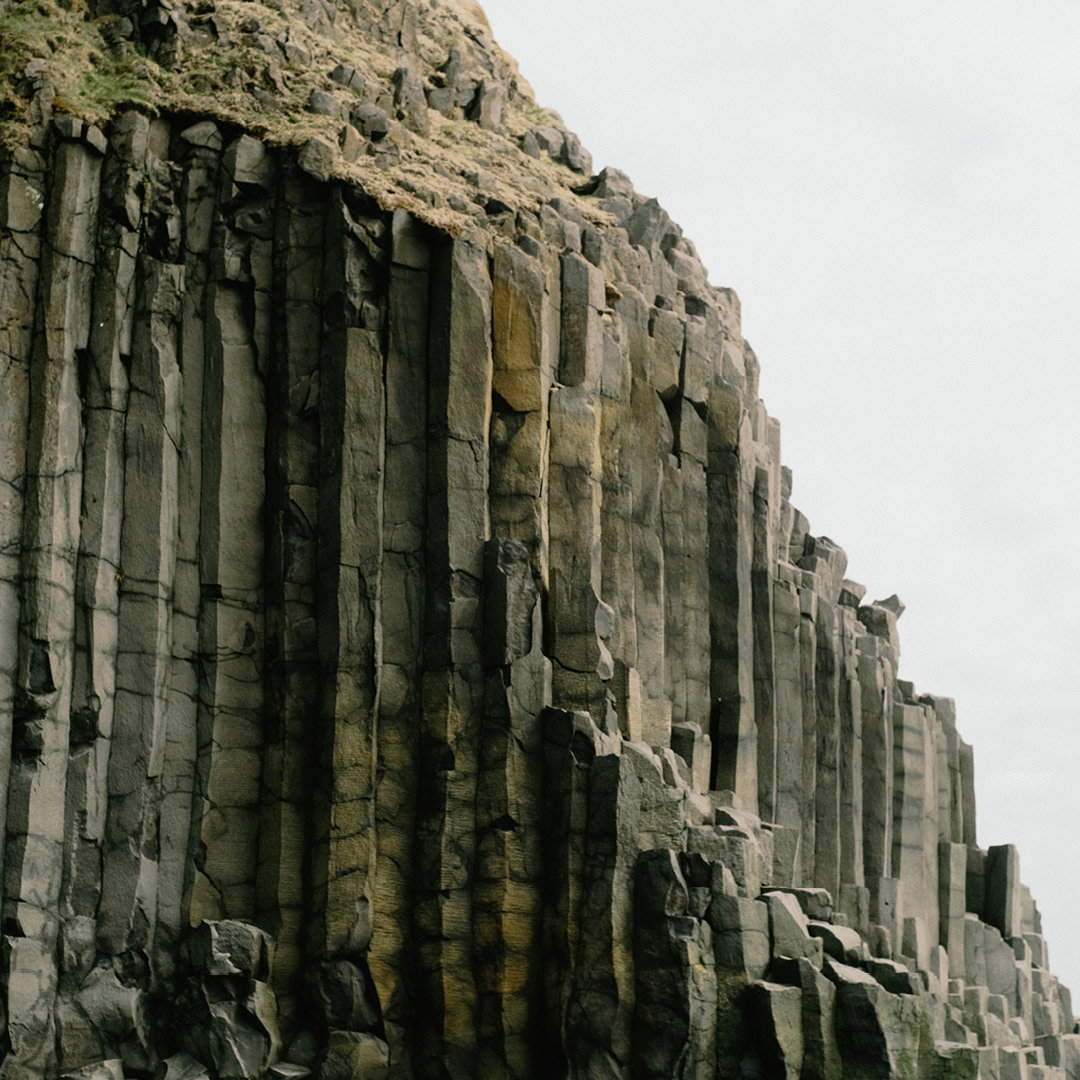
We made our way to Reynisfjara, a black sand beach framed by basalt cliffs and dramatic rock formations. The landscape feels almost otherworldly.
Kerið (Crater)
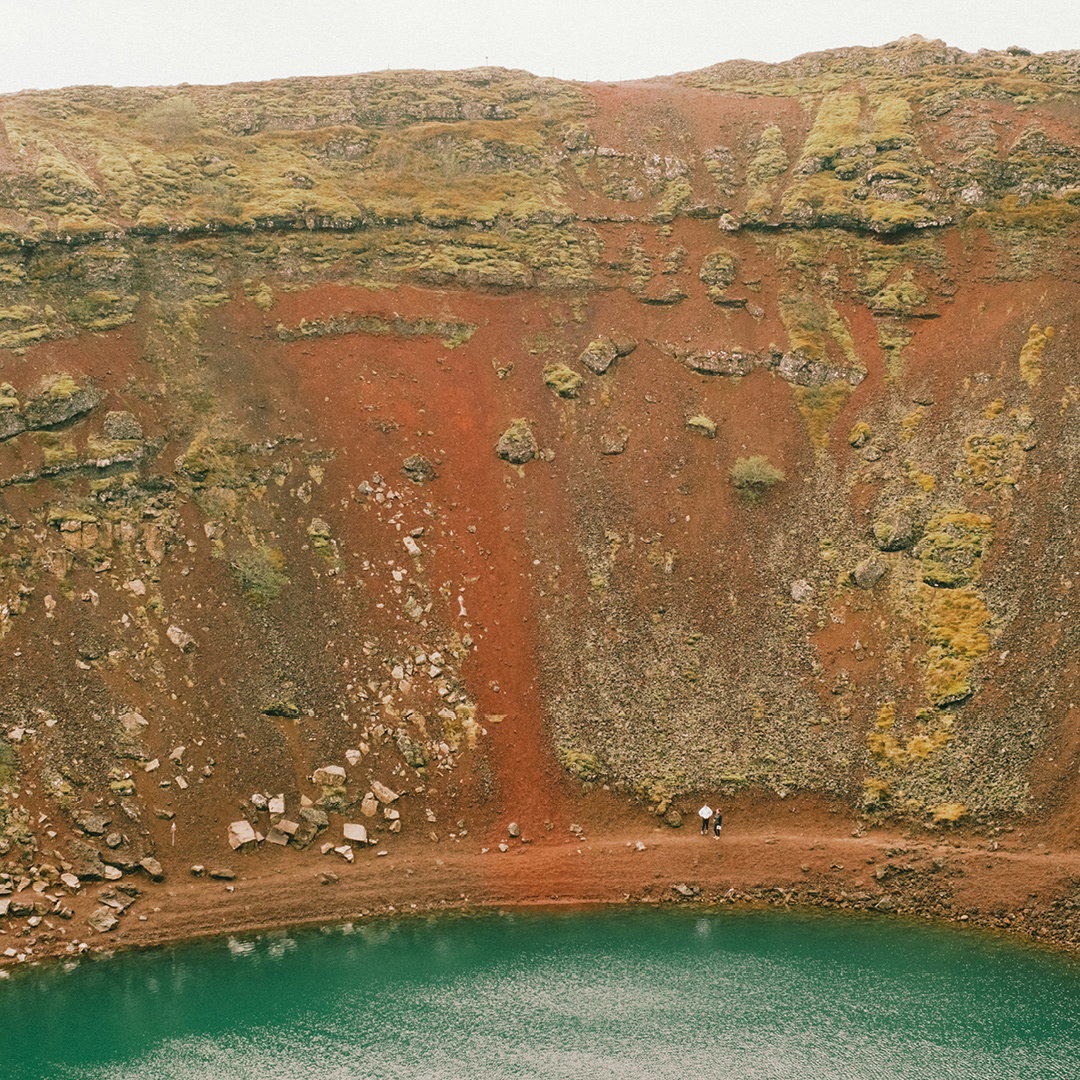
The next day started at Kerið, a volcanic crater filled with a striking blue-green lake. The contrast between rock, water, and open sky is hard to miss.
Hveragarðurinn (Geothermal Park)
From Kerið, we continued to Hveragarðurinn, where steaming ground, hot springs, and bubbling pools bring Iceland’s geothermal energy right into the town.
Scenery On-Route to Reykjavik
From the open landscape, we headed back towards Reykjavik. After days immersed in nature, we found ourselves hungry for a different kind of exploration — culture, food, design, and city life.
Norræna húsið (Nordic House)
Hópsnes (Lighthouse)
Architecture
Norræna húsið (Nordic House)
Designed by Alvar Aalto
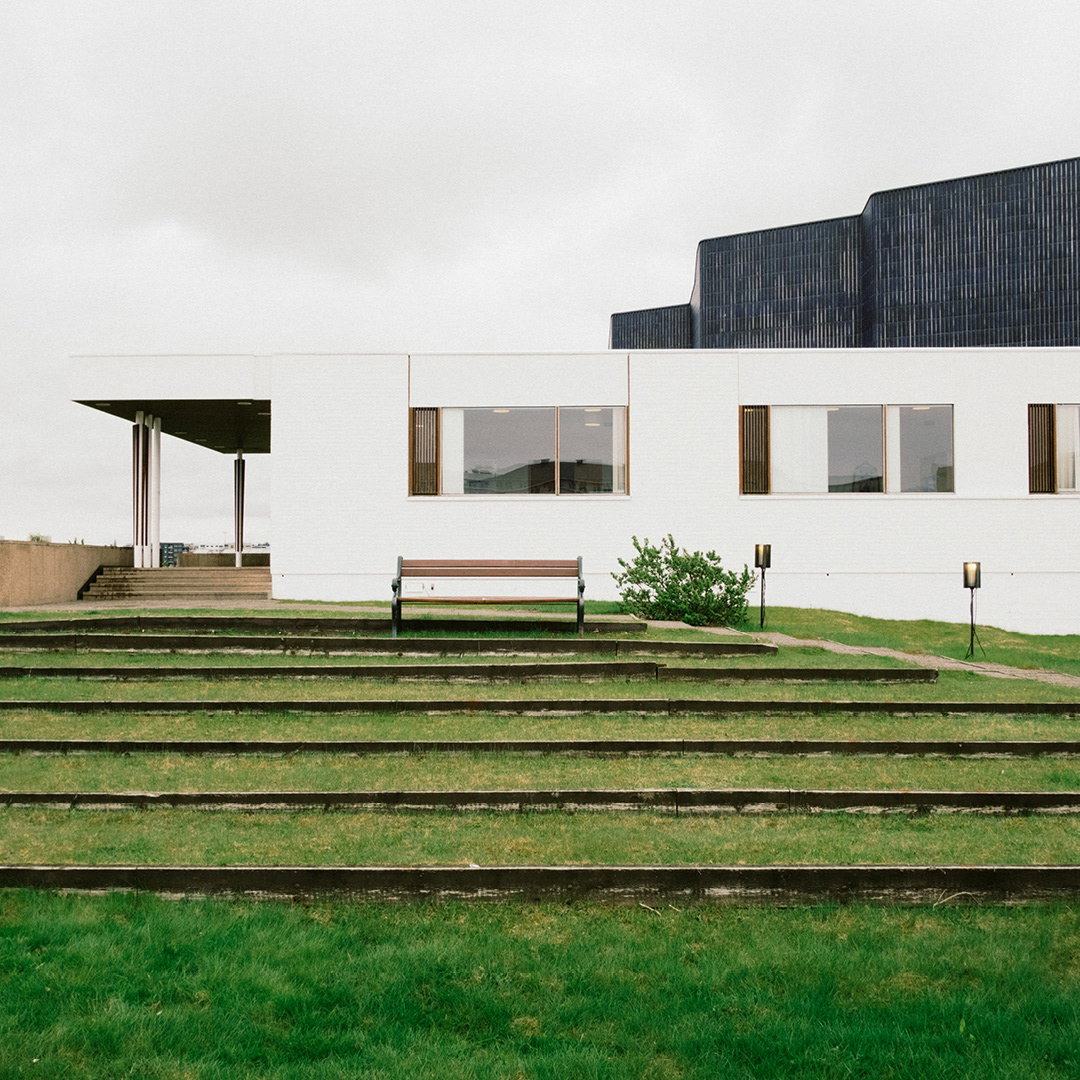
Norræna húsið brings Alvar Aalto’s human-centered modernism to Reykjavik, with clean lines and a strong connection to the surrounding landscape.
Hópsnes (Lighthouse)
Designed by Benedikt Jónasson
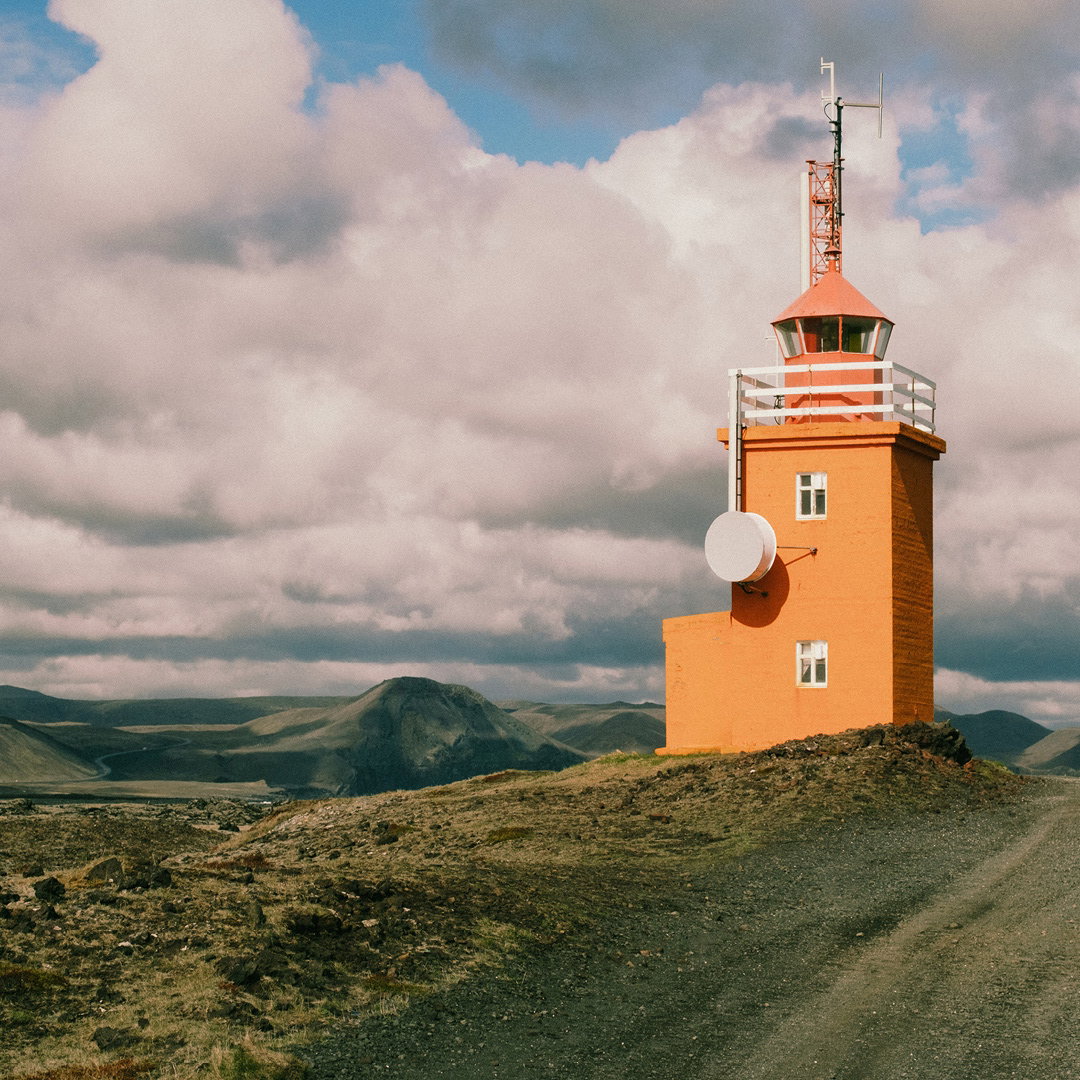
The Hópsnes lighthouse sits simply against the rugged coastline on the Reykjanes peninsula. Its modest form and isolated setting make it feel naturally embedded in the landscape.

Ásmundarsalur (Art Museum)
Landsbókasafnið (National Library)
Ásmundarsalur (Art Museum)
Designed by Sigurður Guðmundsson
Ásmundarsalur reflects a more intimate side of Icelandic modernism. The former studio and gallery combines a simple architectural language with a focus on light and space.
Landsbókasafnið (National Library)
Designed by Manfreð Vilhjálmsson & Þorvaldur S. Þorvaldsson
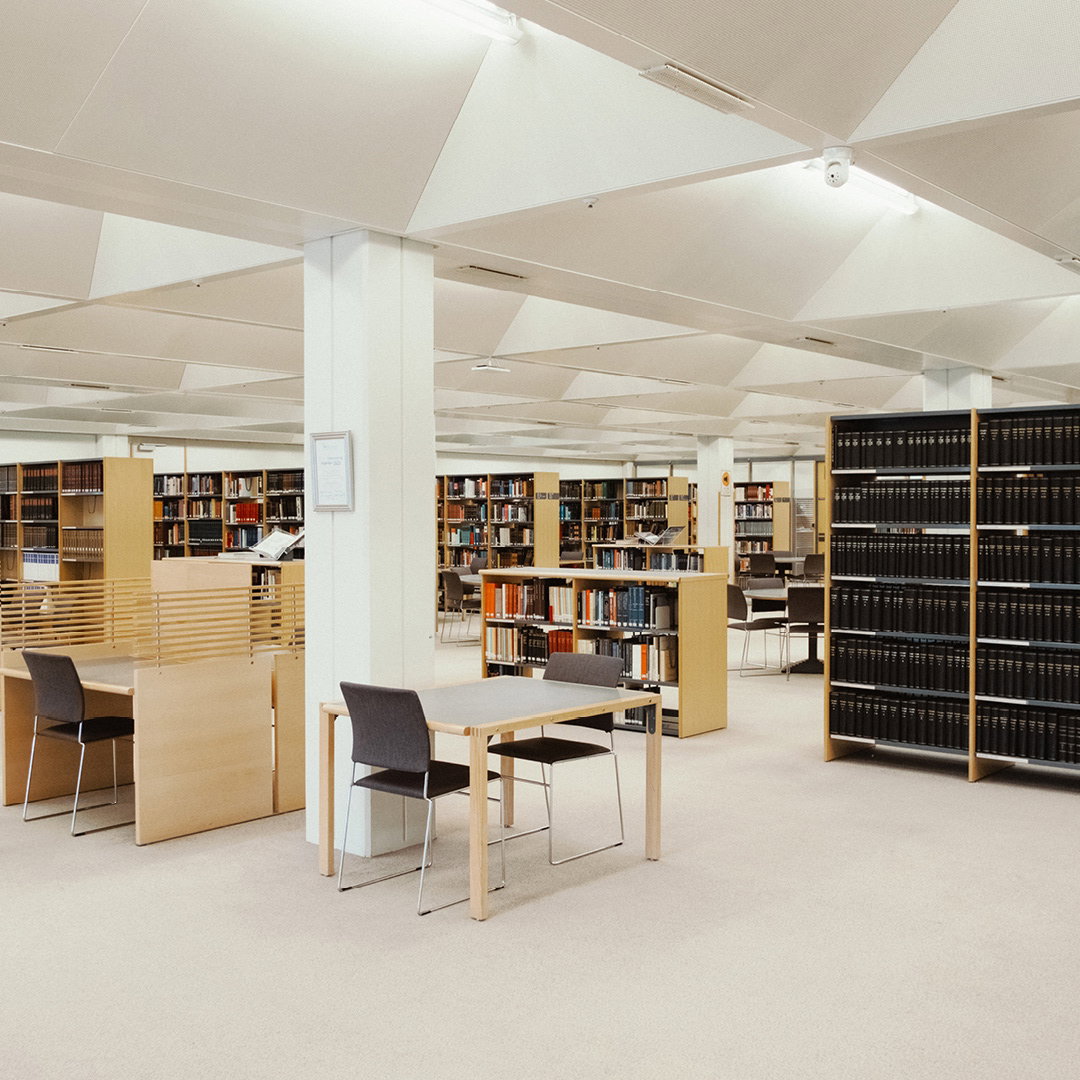
The National Library combines monumental scale with a restrained modernist language, creating a building that feels both civic and distinctly Icelandic.
Hallgrímskirkja (Church)
Hallgrímskirkja (Church)
Víkurkirkja
Designed by Guðjon Samuelsson
Víkurkirkja is a small church overlooking the village of Vík.
Its simple form and elevated setting give it a strong
connection to the surrounding landscape.
Hallgrímskirkja (Church)
Designed by Guðjón Samúelsson
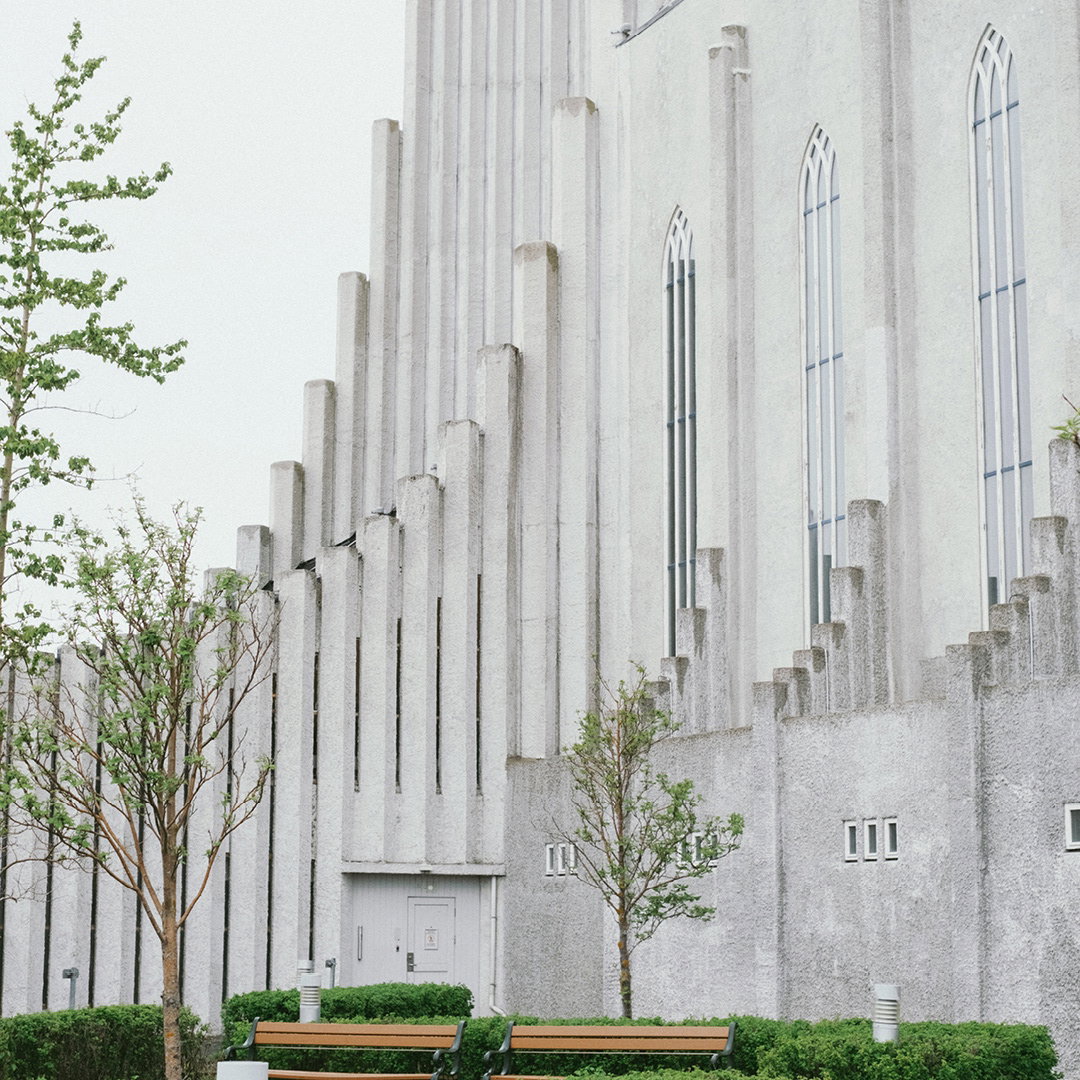
Hallgrímskirkja is one of Reykjavik’s defining landmarks. Its dramatic concrete form draws from Iceland’s volcanic landscape, glaciers, and distinctive basalt formations.
The Einar Jónsson Sculpture Museum
Designed by Einar Jónsson & Einar Erlendsson
The former home and studio of Iceland’s first sculptor, Einar Jónsson. The building is as expressive as his work, combining Nordic classicism with a distinct sense of monumentality.
Seltjarnarneskirkja
Designed by Sigurður Guðmundsson
Seltjarnarneskirkja is a striking example of Icelandic modernism. Its simple geometric form and raw materials
create a quiet presence against the surrounding landscape.
Askja
Designed by Maggi Jónsson
Askja is a distinctive piece of Icelandic architecture, shaped
by a strong focus on simplicity and function. Its restrained
form lets the surrounding landscape take centre stage.
Hús máls og menningar (Bookshop & Live Venue)
Reykjavík Roasters Café Ásmundarsalur (Café)
Reykjavik
Hús máls og menningar (Bookshop & Live Venue)
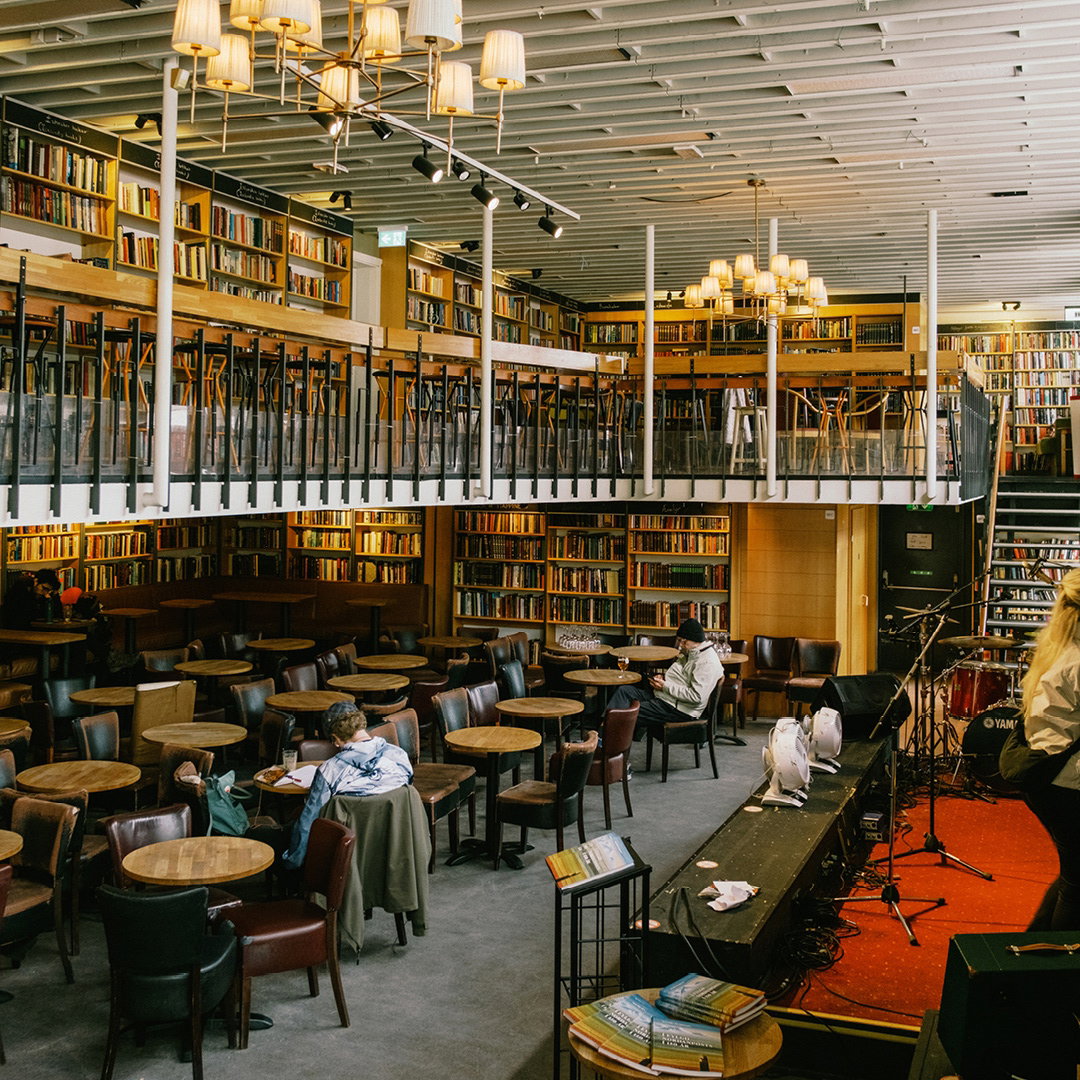
Part bookshop, part bar, part live venue. It’s the kind of place that feels lively at almost any hour, with books, music, and a very Reykjavik sense of culture.
Reykjavík Roasters Café Ásmundarsalur (Café)
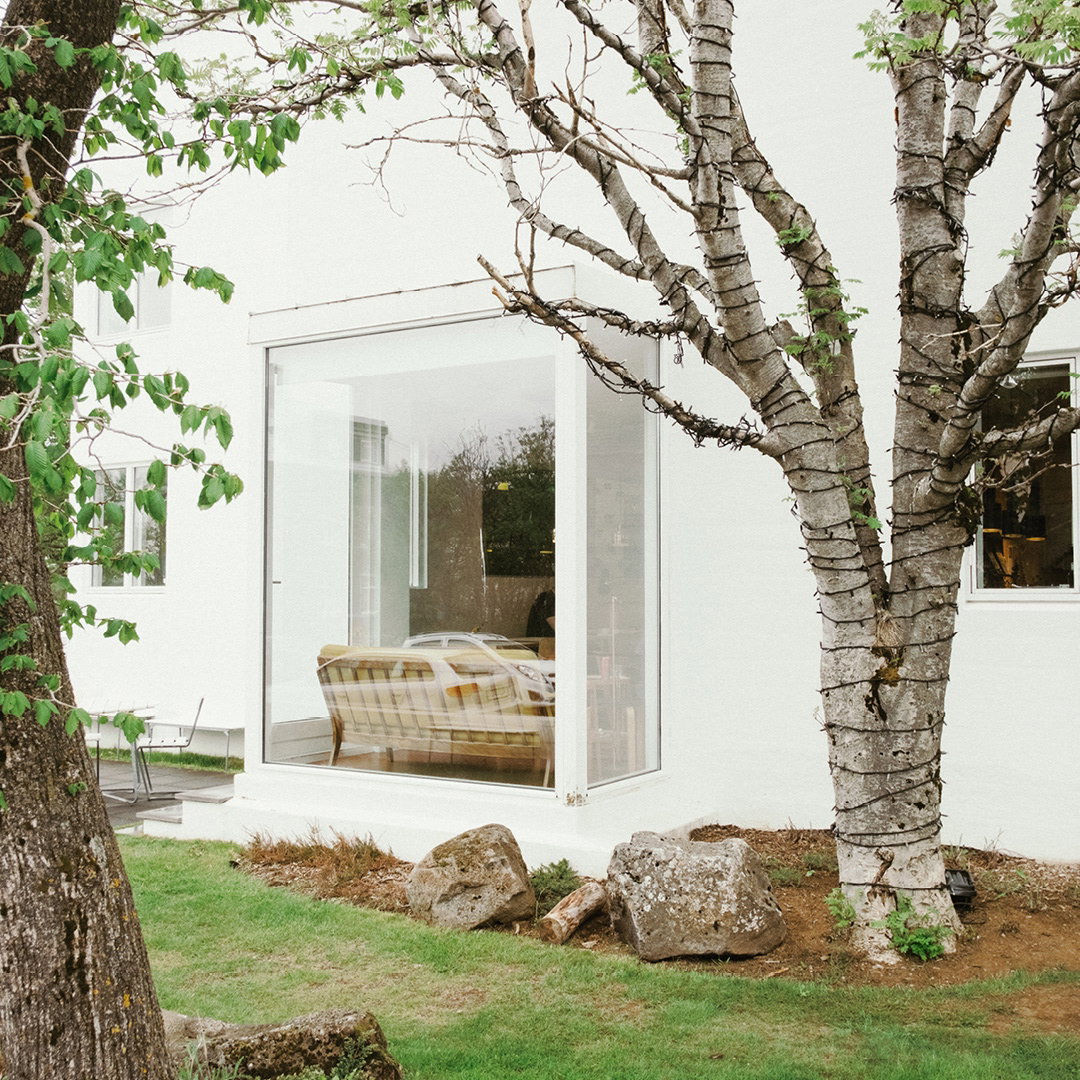
The café at Ásmundarsalur is a small, beautiful pause in the city. Inside the former studio of sculptor Ásmundur Sveinsson, it serves good coffee in an art-filled setting.
Skál (Restaurant)
280 Bakarí (Bakery)
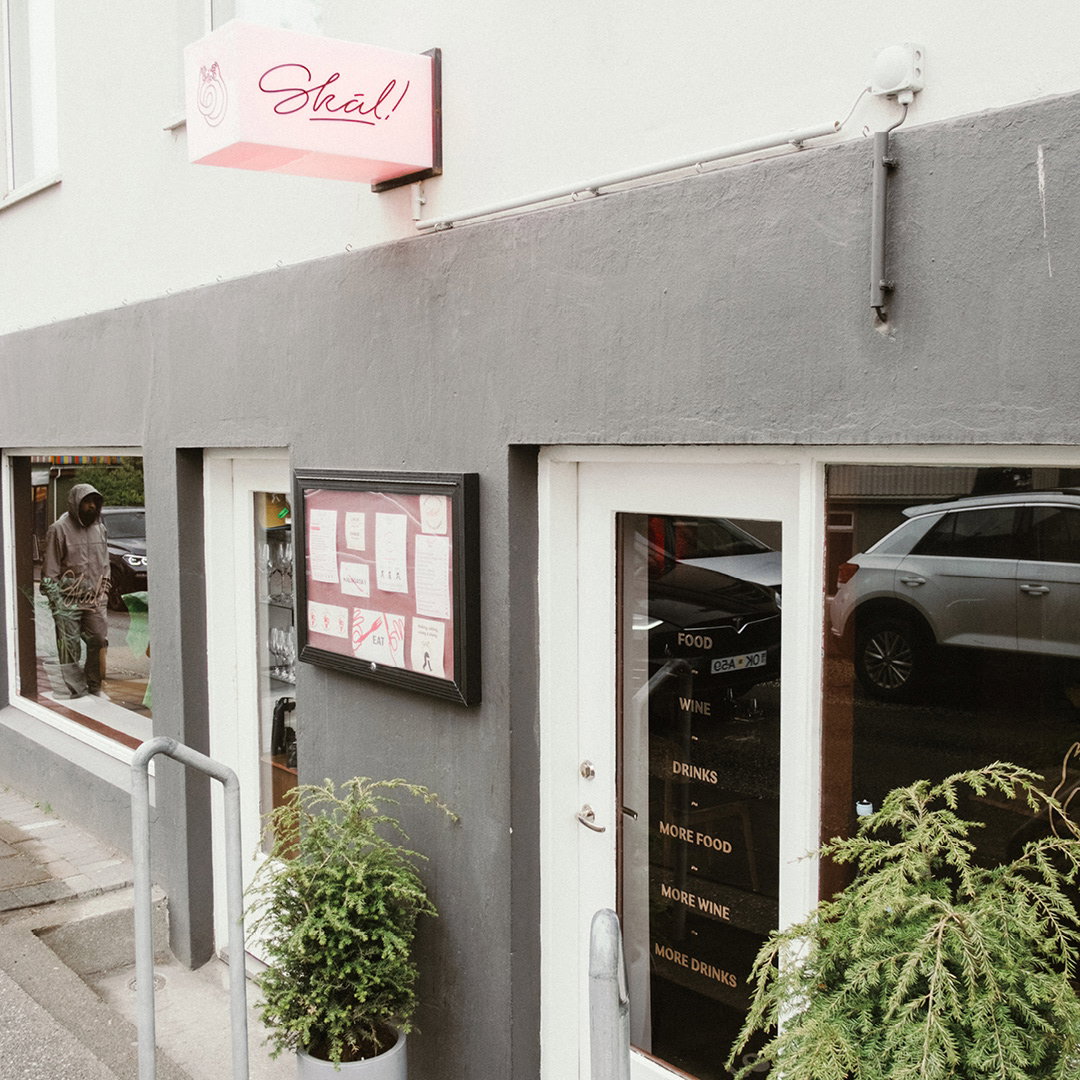
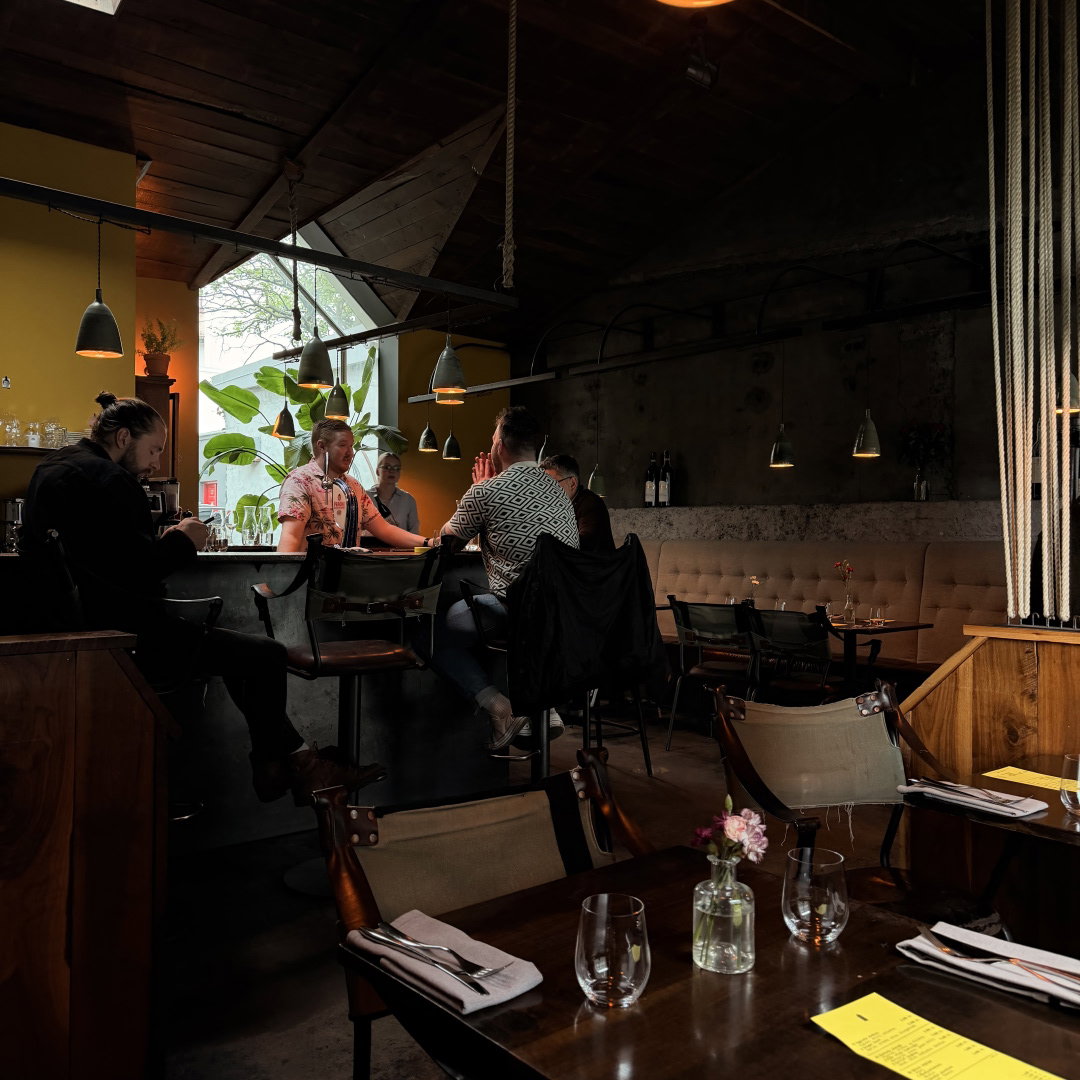
Skál (Restaurant)
Skál brings a distinctly Icelandic approach to the table, working with local ingredients and a constantly changing menu. Small, relaxed, and creative but not overly serious.
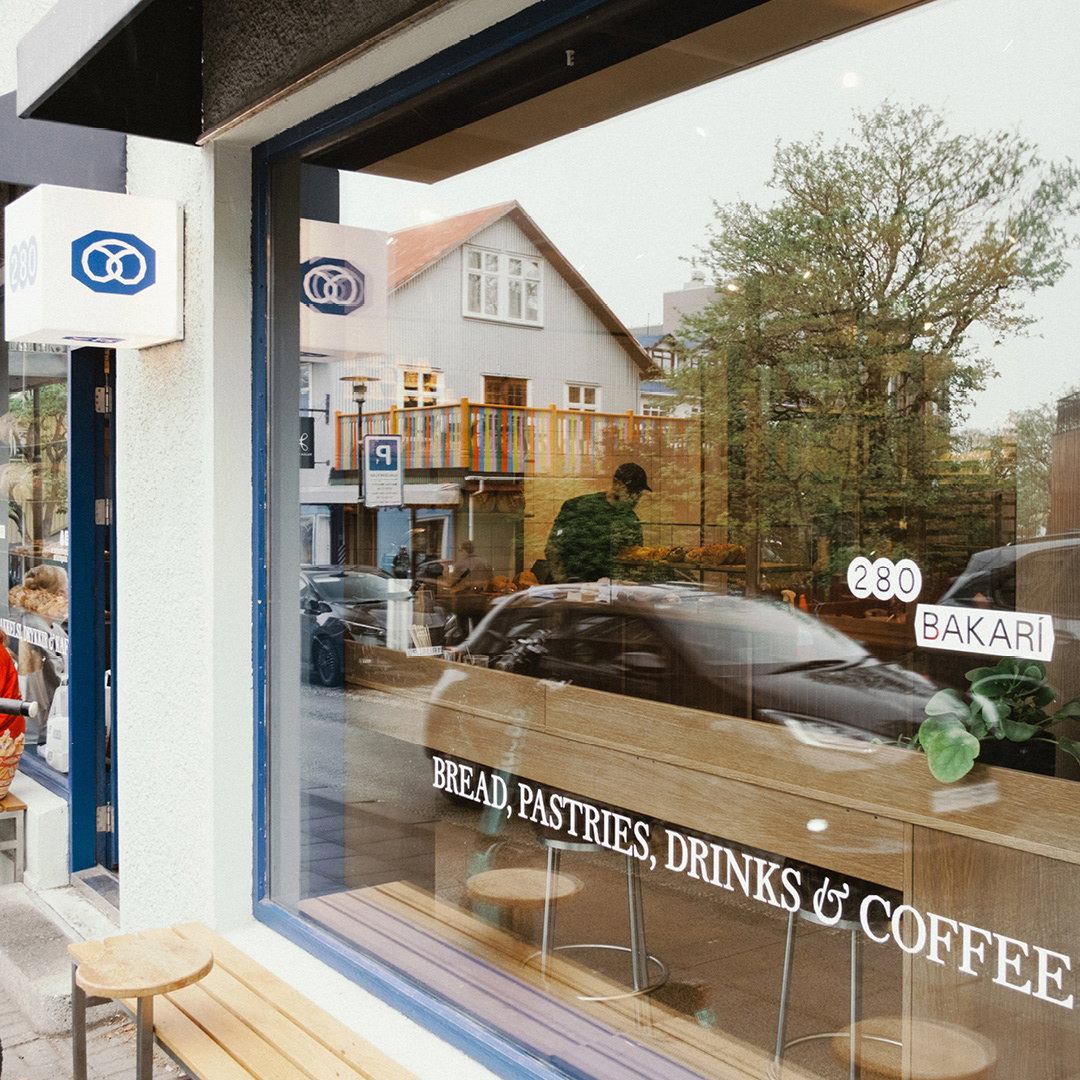
280 Bakarí (Bakery)
A neighbourhood bakery with a focus on naturally fermented bread, pastries, and simple things done well. Stop for a slow morning and something warm from the oven.
Bokín (Bookshop)
Hosiló (Restaurant)
Bokín (Bookshop)
Amazing bookshop, charming owner, and a fun selection. The kind of place where you can easily lose track of time browsing the shelves.
Hosiló (Restaurant)
A small and intimate restaurant with a thoughtful approach to seasonal ingredients. Hosiló feels relaxed and personal, with a menu that rewards curiosity.
Sandholt (Bakery & Restaurant)
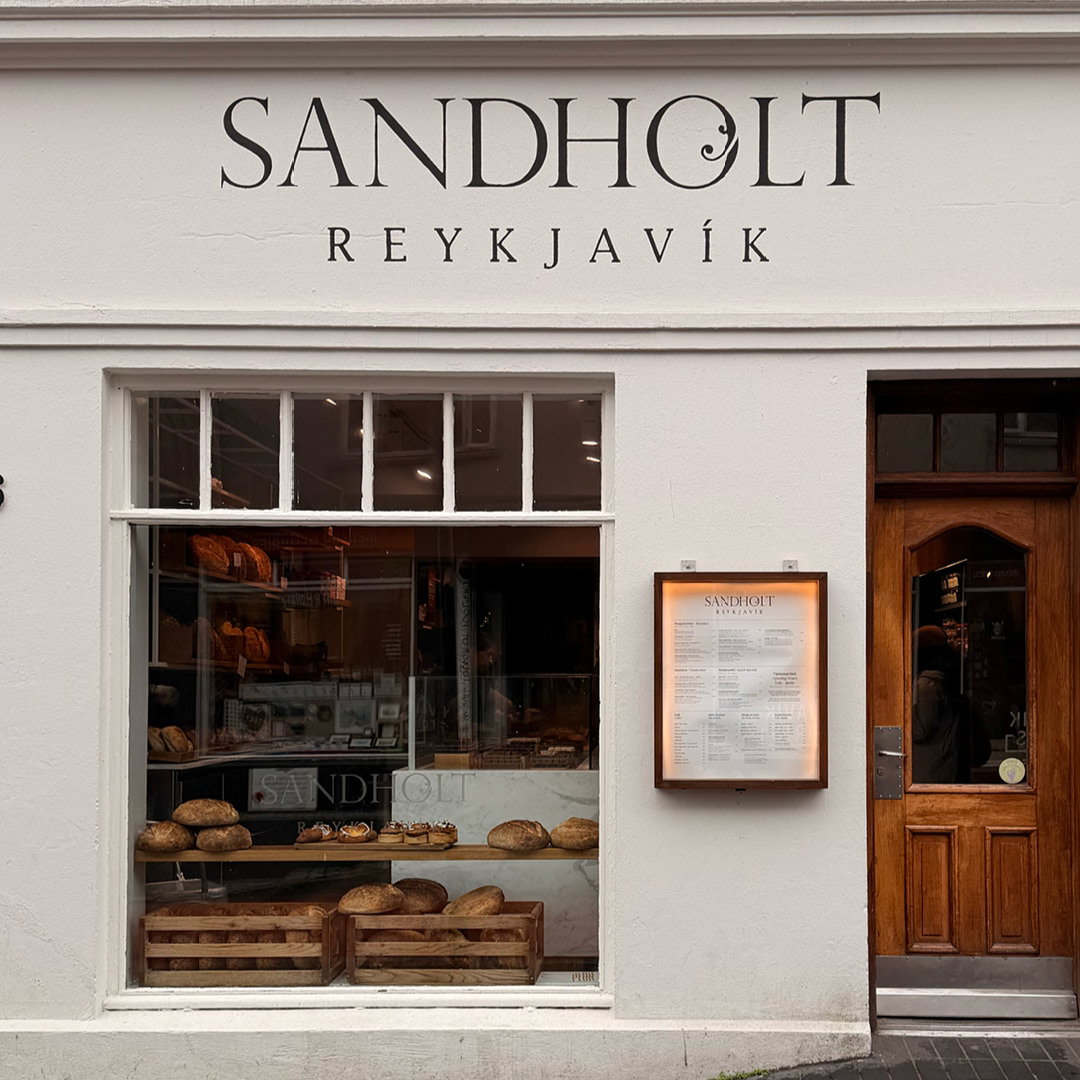
Sandholt (Bakery & Restaurant)
A cosy spot for breakfast, with excellent bread, pastries, and a shakshuka that is making us miss Morocco. Come hungry and stay for a little longer than planned.
Reykjavik has plenty to offer, and these are a few more places we enjoyed along the way. From bakeries and restaurants to record shops and small local institutions, they’re all worth adding to your list
Bakabaka (Bakery & Pizzeria): A casual spot for excellent bread and pizza, perfect for an easy stop while exploring the city.
Deig (Bakery): A go-to for pastries, doughnuts, and coffee. Simple, generous, and very good.
Smekkleysa (Record Store, Bar & Café): A Reykjavik institution combining records, drinks, coffee, and a distinctly local creative energy.
12 Tónar (Record Store & Bar): A beloved independent record shop with a great Icelandic selection and a relaxed place to linger.
2001 (Vintage Video Shop): A charming throwback to another era, packed with old films and the kind of atmosphere that makes browsing part of the experience.
We had a great time in Reykjavik, and left wishing we had a little more time to keep exploring. There is plenty more to discover, which is always a good reason to come back.
Sign up to get the latest travel guides